New Orleans New Year's Day Attack
UnsolvedNew Orleans, LA· 2025
New Orleans New Year's Day Attack
terrorismISISmass-casualtyvehicle-attackBourbon-Street
Updated April 17, 2026
Location
New Orleans, LA
Incident
January 1, 2025
Resolved
January 1, 2025
Status
UnsolvedType
terrorism
Victims
Kareem Badawi, Nicole Perez, Tiger Bech, Nikyra Dedeaux, Latasha Polk
On New Year's Day 2025, Shamsud-Din Jabbar drove a pickup truck into a crowd celebrating on Bourbon Street in New Orleans, resulting in the deaths of 14 people and injuring dozens more. The attack, inspired by ISIS, unfolded as revelers rang in the New Year, and Jabbar was subsequently killed in a shootout with police. The incident marked a violent start to the year and raised concerns about domestic terrorism.
Featured Coverage

The New Orleans Attack
Americast · Jan 2, 2025 · 29m

January 1, 2025: New Orleans Attack, Biden Speaks, Musk on Vegas, More
Bloomberg News Now · Jan 2, 2025 · 4m

New Orleans attack suspect, Cybertruck explosion, dangerously cold temperatures & more
CNN 5 Things · Jan 2, 2025
Officials Say New Orleans Truck Attacker Acted Alone
CNN Inside Politics · Jan 2, 2025 · 43m


INSIDE JOBS: Green Beret attacks in Vegas, ISIS Soldier Attacks New Orleans
Human Events Daily with Jack Posobiec · Jan 2, 2025 · 44m
In the early morning hours of January 1, 2025, Shamsud-Din Jabbar, 42, a U.S. Army veteran from Texas, drove a rented pickup truck into a crowd of New Year revelers on Bourbon Street in the French Quarter of New Orleans. The attack began at approximately 3:15 a.m. as tens of thousands of people were celebrating. Jabbar drove approximately one block into the crowd before stopping; he exited and fired on responding police officers. He was killed in the ensuing gunfight. Fourteen people were killed and more than 35 were injured.
Investigators found an ISIS flag in the truck cargo bed and discovered that Jabbar had recorded videos in the days before the attack pledging allegiance to the Islamic State and expressing intent to kill. He had deliberately driven through a gap in temporary vehicle barriers that were not locked into position. The FBI classified the attack as an act of terrorism. Improvised explosive devices were found near the scene; none detonated.
Jabbar had served in the U.S. Army from 2007 to 2020 as a human resources technician, attaining the rank of staff sergeant, and had held a security clearance. Investigators found no evidence of direct orders or material support from overseas ISIS operatives; he appeared to have self-radicalized through online propaganda. In the days following, the FBI investigated potential associates.
The attack prompted the Sugar Bowl college football game to be postponed 24 hours, and triggered a formal review of the city French Quarter event security protocols.
Perpetrator Killed at Scene
Shamsud-Din Jabbar was killed by New Orleans Police Department officers at the scene on January 1, 2025, following the attack. He was shot four times in the torso during a shootout after exiting his vehicle. No criminal proceedings against him were possible, and no charges were ever filed.
FBI Terrorism Investigation
The FBI New Orleans field office classified the attack as ISIS-inspired terrorism. Investigators determined that Jabbar acted alone and was "100% inspired by ISIS." An ISIS flag was recovered from his vehicle, and Jabbar had posted videos declaring allegiance to ISIS in the hours before the attack. The FBI confirmed no other individuals were involved in carrying out the assault.
Accomplice Investigation
In January 2025, two individuals were arrested in connection with the attack for allegedly supplying Jabbar with weapons used in a follow-on confrontation with police. The FBI investigated whether anyone else was in contact with Jabbar prior to the attack, but the bureau concluded he acted as a lone attacker in the vehicle ramming itself.
Current Status
No criminal prosecution of Jabbar occurred, as he died at the scene. The FBI investigation concluded with Jabbar identified as the sole perpetrator of the vehicle ramming. The attack resulted in 14 deaths (excluding Jabbar) and more than 57 injuries.
Key eventSupporting
2025
January 30, 2025
Second Lawsuit Filed Alleging Systemic Security Failure
A second civil lawsuit was filed on behalf of seven survivors and the family of Brandon Taylor alleging 'systemic failure' by city officials and contractors. The suit cited a 2019 Interfor International security report that warned Bourbon Street's bollard system was non-functional and posed a severe vehicular attack vulnerability.
Source →January 29, 2025
First Wrongful Death Lawsuit Filed Against City of New Orleans
Survivors and victims' families filed the first civil lawsuit against the City of New Orleans, NOPD, and security contractors, alleging officials had ignored warnings dating to 2019 about the vulnerability of Bourbon Street to vehicular attacks and that protective bollards were knowingly left non-operational.
Source →January 10, 2025
Congressional Scrutiny of New Orleans Security Failures
U.S. lawmakers called for hearings into security failures, including why federal agencies had warned of holiday vehicle-ramming threats but local barriers were non-operational on the night of the attack.
Source →January 5, 2025
Victims' Families Begin Filing Wrongful Death Lawsuits
Attorneys representing families of attack victims began filing civil lawsuits against the City of New Orleans and venue operators, citing the inoperative bollard system as a key security failure.
Source →January 4, 2025
FBI Concludes Jabbar Acted Alone in Planning and Execution
The FBI's deputy assistant director for counterterrorism announced that investigators had determined Jabbar acted entirely alone in planning and executing the attack. Investigators found no evidence of any co-conspirators despite initial concerns about possible accomplices.
Source →January 4, 2025
All 14 Victims of Bourbon Street Attack Identified
Law enforcement officials completed the identification of all 14 civilians killed in the attack. The victims ranged in age from 18 to 31 and included NFL player Jack Bech's brother Martin Bech, British national Edward Pettifer, and several young New Orleans locals.
Source →January 2, 2025
FBI Leads Federal Investigation as Domestic Terrorism
The FBI announced it was leading the investigation as domestic terrorism. While ISIS inspiration was confirmed, investigators found no direct foreign operational involvement in the attack.
Source →January 2, 2025
ISIS Connection Confirmed
FBI confirmed Jabbar had been inspired by ISIS and recorded pledge videos before the attack.
Source →January 2, 2025
FBI Publicly Identifies Shamsud-Din Jabbar as Attacker
The FBI publicly identified Shamsud-Din Jabbar, a 42-year-old former U.S. Army Staff Sergeant from Texas, as the perpetrator of the Bourbon Street attack. Investigators confirmed he was killed during a shootout with New Orleans police at the scene.
Source →January 1, 2025
Security Bollards Found Non-Operational During Attack
Investigation revealed that retractable vehicle barriers on Bourbon Street were not operational at the time of the attack, allowing Jabbar's truck to bypass security measures using the sidewalk.
Source →January 1, 2025
Two Unexploded Pipe Bombs Found on Bourbon Street
After the attack, police discovered two improvised pipe bombs placed near trash cans on Bourbon Street. The devices failed to detonate; bomb squads safely neutralized them.
Source →January 1, 2025
2025 Sugar Bowl Postponed One Day Due to Mass Casualty Attack
The Sugar Bowl playoff game between Georgia and Notre Dame, scheduled for January 1 at Caesars Superdome, was postponed to January 2 following the mass casualty attack.
Source →January 1, 2025
14 Civilians Killed and 57 Injured in Bourbon Street Attack
Shamsud-Din Jabbar drove a Ford F-150 Lightning into New Year's revelers on Bourbon Street at 3:15 AM, killing 14 and injuring 57 in the deadliest Islamist terrorist attack on U.S. soil in years.
Source →January 1, 2025
Jabbar Killed in Shootout with Police
Jabbar engaged police in a gunfight after the attack. An ISIS flag was found in the vehicle.
Source →2024
December 30, 2024
Jabbar Rents Ford F-150 Pickup Truck via Turo App
Shamsud-Din Jabbar rented a white Ford F-150 pickup truck in Houston through the peer-to-peer car rental app Turo on December 30, 2024. This vehicle would be used approximately 19 hours later to carry out the Bourbon Street attack.
Source →November 10, 2024
Jabbar Conducts Reconnaissance Trip to New Orleans
Shamsud-Din Jabbar traveled by train from Houston to New Orleans on November 10, 2024, returning the same evening by bus. During the reconnaissance visit he conducted online searches about accessing Bourbon Street balconies and researched previous shootings in the city.
Source →June 1, 2024
Jabbar Formally Joins ISIS Online
By early summer 2024, Shamsud-Din Jabbar had formally joined ISIS through online channels. FBI investigators later found electronic records and online communications establishing his pledge of allegiance to the terrorist organization months before the attack.
Source →Loading…
Victim
Suspect / Convicted
Unknown Subject
Witness
Investigator
Attorney
Family
Victim
arrow_forward
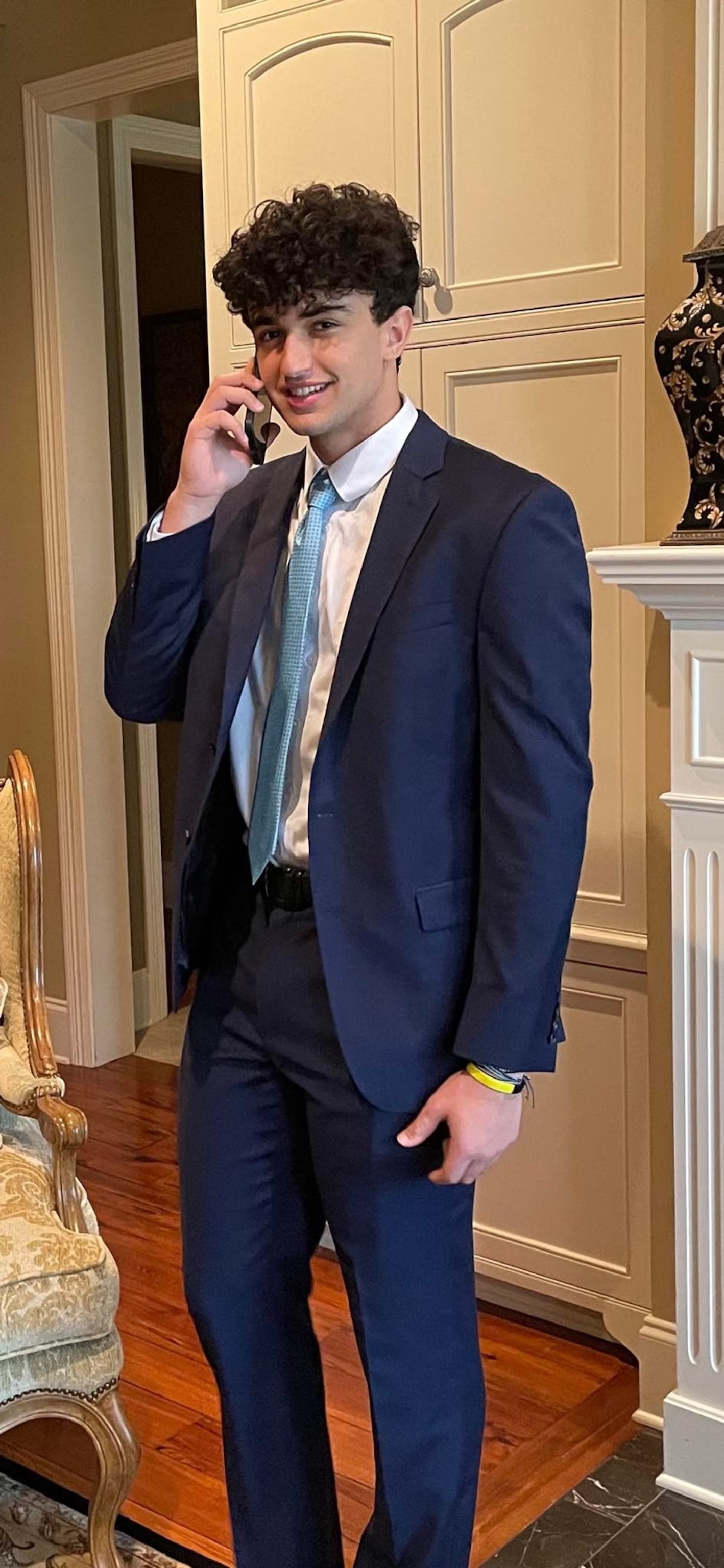
Kareem Badawi
Kareem Badawi, 23, was a vibrant University of Alabama student from Baton Rouge, Louisiana, known for his warm personality and active involvement in the Sigma Chi fraternity. He was deeply loved by his family, who mourned his loss in the tragic New Year's Day 2025 attack. His father, Belal, shared a heartfelt message on social media, praying for divine mercy on his son's soul.
Victim
arrow_forward
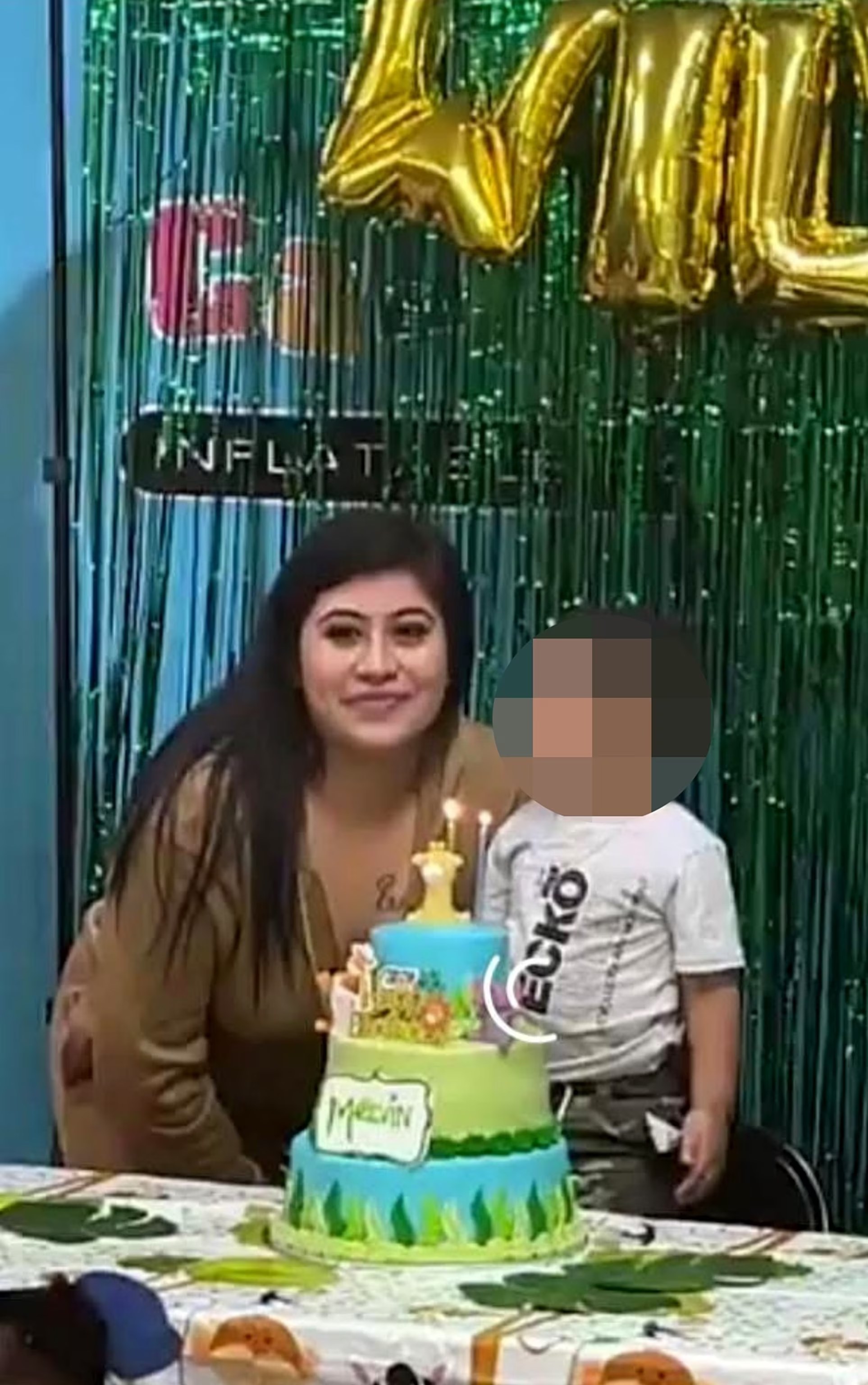
Nicole Perez
Nicole Perez was a vibrant young woman from Metairie, Louisiana, known for her infectious laughter and love for life. She cherished her family and friends, and was passionate about her work in the hospitality industry. Tragically, Nicole's life was cut short in the Bourbon Street terror attack on New Year's Day 2025.
Victim
arrow_forward
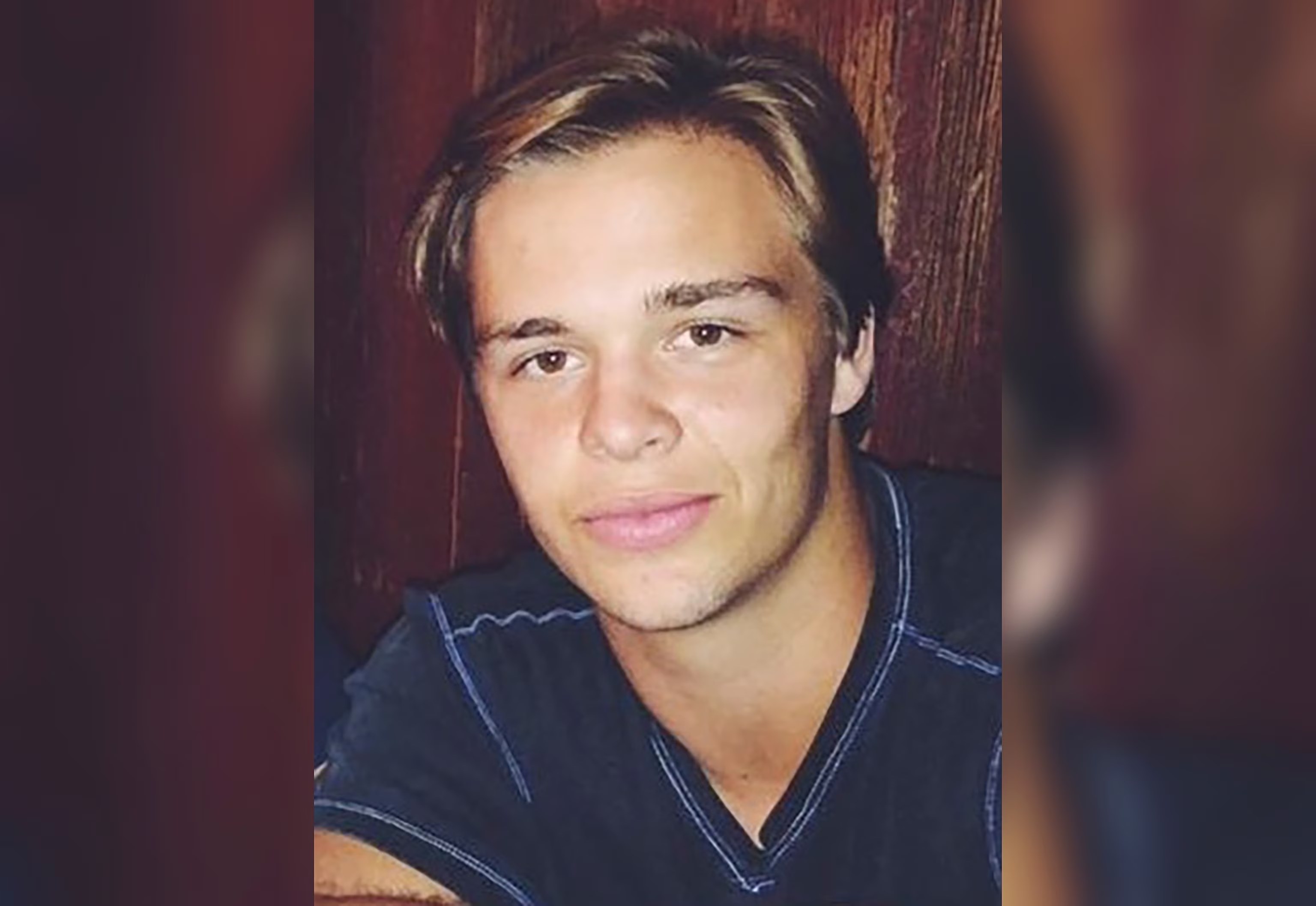
Tiger Bech
Martin "Tiger" Bech was a promising young man from Louisiana, known for his athletic prowess and bright future in finance. A former standout football player at Princeton University, he was building a career as a junior bonds trader in New York City. Tragically, his life was cut short in a terrorist attack on Bourbon Street on New Year's Day 2025.
Victim
arrow_forward
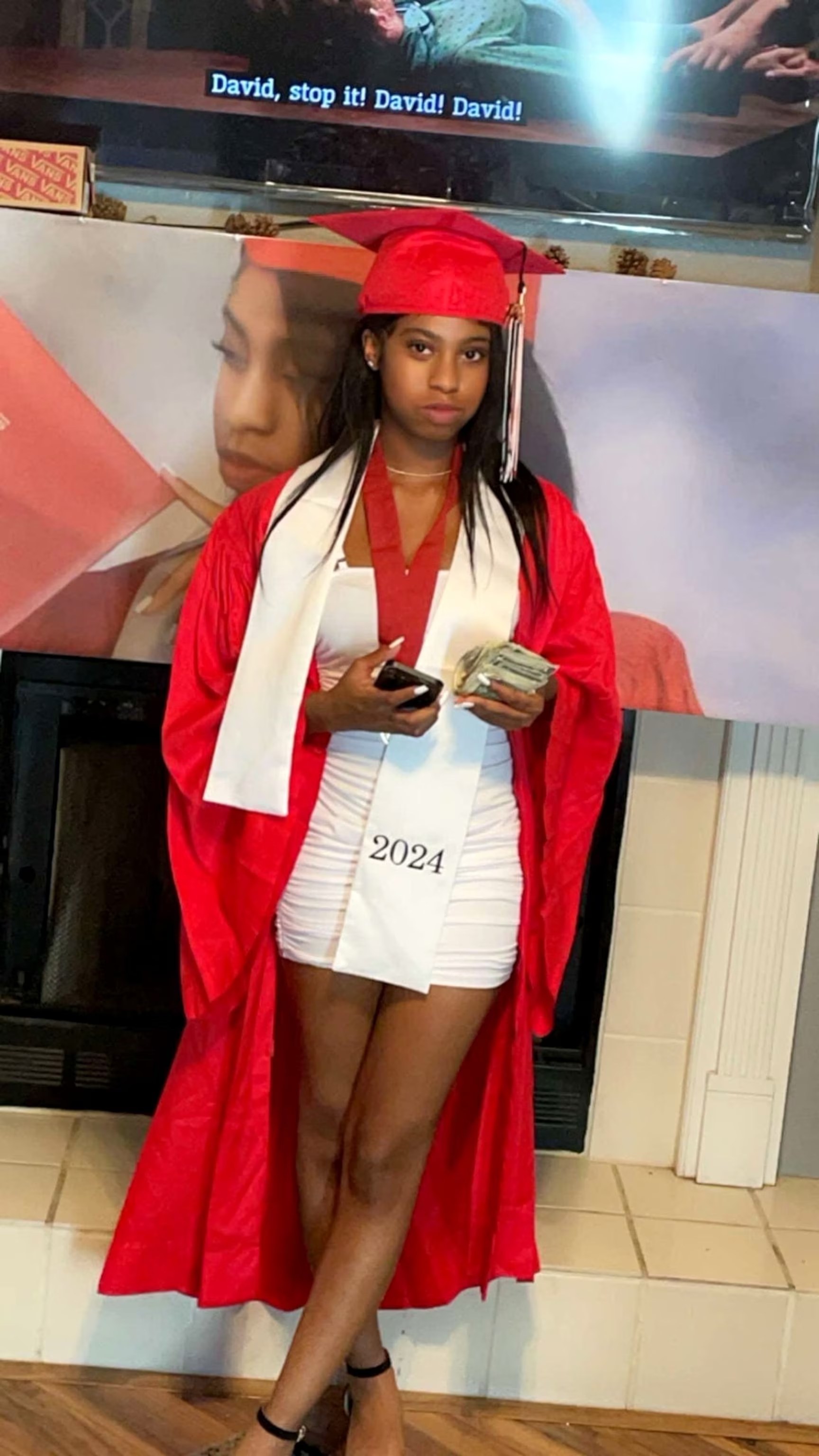
Nikyra Dedeaux
Nikyra Cheyenne Dedeaux was a vibrant 18-year-old from Gulfport, Mississippi, known for her bright smile and kind heart. She was celebrating the new year with friends on Bourbon Street when tragedy struck.
Convicted
arrow_forward
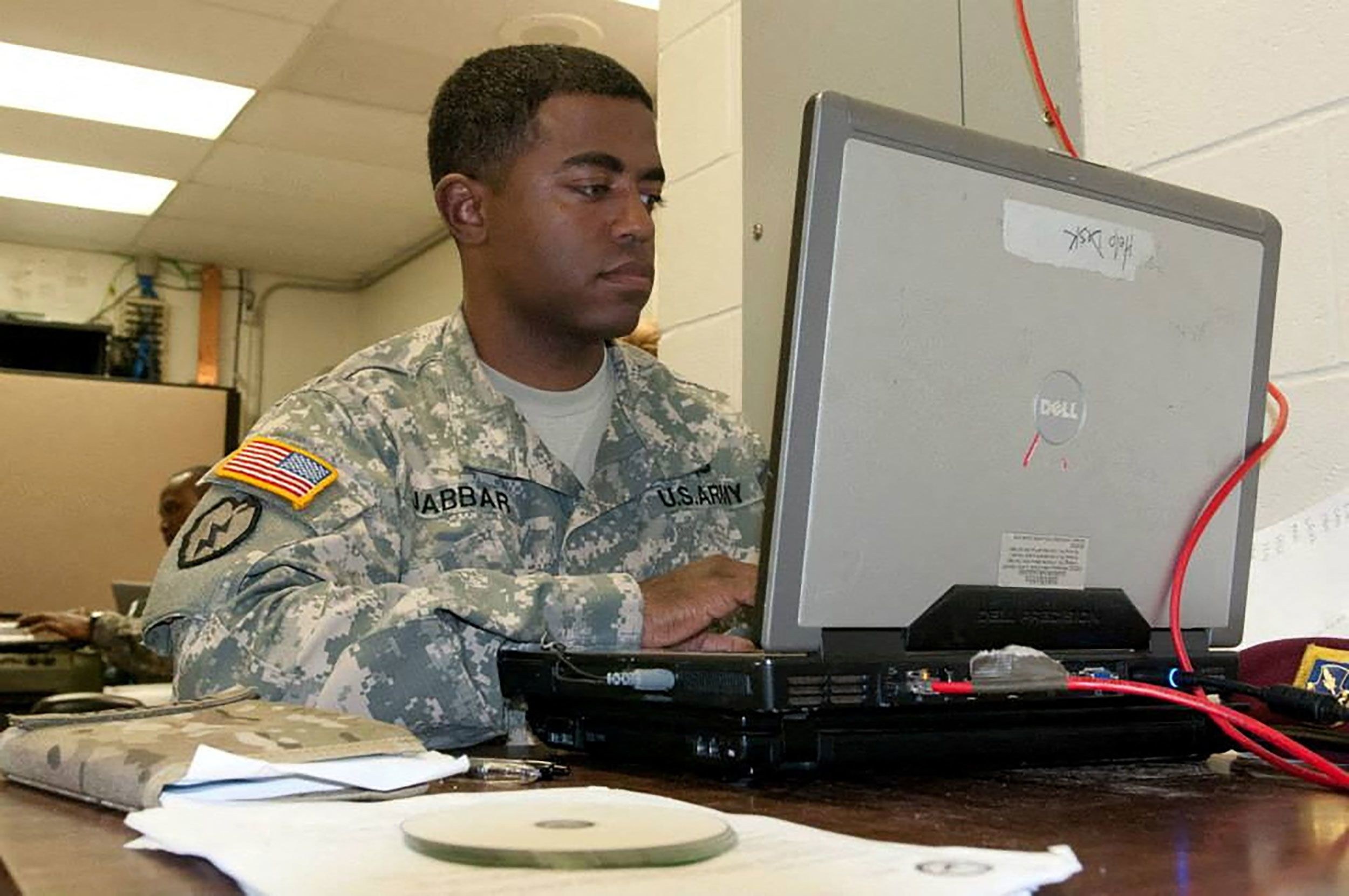
Shamsud-Din Jabbar
U.S. Army veteran who drove a pickup truck into a crowd on Bourbon Street, killing 14. Shot and killed by police.
Victim
arrow_forward
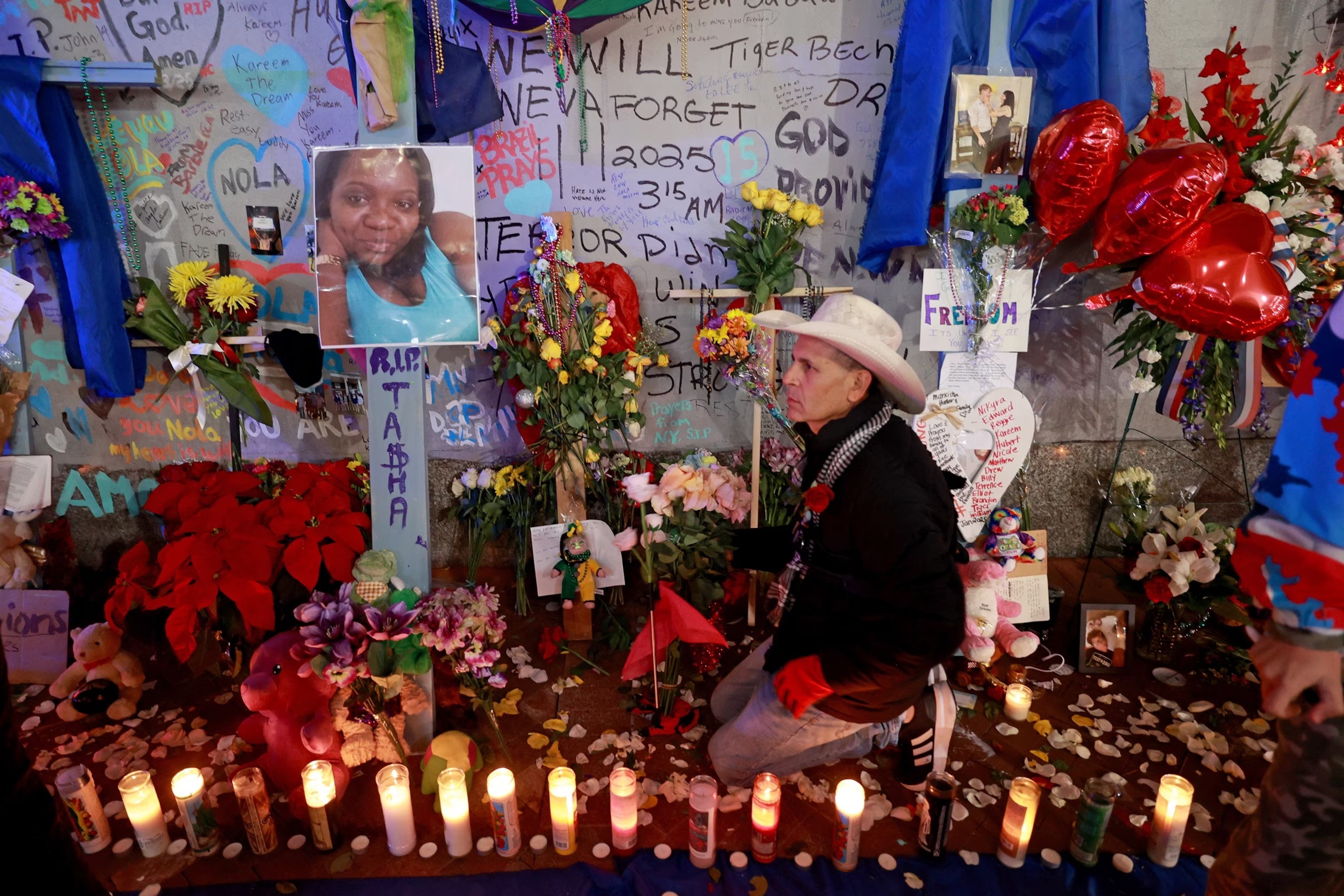
Latasha Polk
Latasha Polk, 45, was a dedicated single mother known for her unwavering devotion to her son. She was a hardworking individual who balanced her responsibilities with grace and resilience. Tragically, Latasha was among the victims of the 2025 New Orleans truck attack during New Year's celebrations.
PhysicalKey
Truck used in the attack
The truck driven by Shamsud-Din Jabbar into the crowd on Bourbon Street serves as crucial physical evidence linking him directly to the attack. Its condition and any modifications could provide insights into his intent and planning.
theguardian.comopen_in_newDigitalKey
ISIS propaganda materials
Digital evidence found on Jabbar's devices, including ISIS propaganda, indicates his motivations and potential radicalization. This evidence is critical in establishing the ideological basis for the attack.
theguardian.comopen_in_newForensicSupporting
Surveillance footage
Video recordings from nearby cameras capture the moments before and during the attack, offering visual evidence of Jabbar's actions and the chaos that ensued. This footage is important for corroborating witness accounts.
fbi.govopen_in_newDigitalSupporting
Social media activity
Analysis of Jabbar's social media posts leading up to the attack reveals his mindset and possible connections to extremist groups. This digital evidence helps establish a timeline and motive.
fbi.govopen_in_newTestimonialSupporting
Witness testimonies
Eyewitness accounts from individuals present during the attack provide context and details about Jabbar's actions and behavior leading up to the incident. These testimonies are vital for reconstructing the events.
youtube.comopen_in_newOfficials Say New Orleans Truck Attacker Acted Alone
CNN Inside Politics · Jan 2, 2025 · 43m

FBI is calling the brazen attack in New Orleans a terrorist attack a man drives a pick up truck in a crowd of New Year’s party goers
THINKING OUT LOUD with Bens Farel · Jan 1, 2025 · 55m

How Congress Could Find Itself Paralyzed, and New Orleans Attack Update
The Headlines · Jan 3, 2025

Army Sniper Nicholas Irving on New Orleans & Tesla Truck Attacks, Luigi Mangione
VladTV · Feb 2, 2025

New Orleans attack: Suspect identified as veteran, did not act alone
Weekends with Ben O’Hara-Byrne · Jan 3, 2025

The Truth behind the New Orleans Terror Attack
Raymond Ibrahim · Jan 21, 2026 · 6m

Latest On New Orleans Attack; New Congress Comes Into Session; Carter's Funeral
Up First from NPR · Jan 4, 2025 · 15m
January 1, 2025: New Orleans Attack, Biden Speaks, Musk on Vegas, More
Bloomberg News Now · Jan 2, 2025 · 4m

New Orleans terrorist attack
NYPD Through The Looking Glass · Jan 2, 2025 · 27m
New Orleans attack suspect, Cybertruck explosion, dangerously cold temperatures & more
CNN 5 Things · Jan 2, 2025

Senator John Kennedy (R-LA) made a mockery of New Orleans terror attack press conference
The Smerconish Podcast · Jan 2, 2025 · 34m
ISIS Inspired Terror Attack Strikes New Orleans & Tesla Cybertruck Explodes Outside Trump Vegas Hotel
The President's Daily Brief · Jan 2, 2025 · 11m

Radical Group Planned Coordinated Attacks, Fifth Suspect Nabbed in New Orleans as Terror Scheme Uncovered
The Ben Ferguson Podcast · Dec 16, 2025 · 29m
825. Andy & DJ CTI: Election Certification, Justin Trudeau Resigns & New Orleans New Year's Truck Attack
REAL AF with Andy Frisella · Jan 8, 2025 · 1h 35m

New Orleans Attack, Suspect's Texas Home, Las Vegas Truck Explosion
Up First from NPR · Jan 2, 2025 · 13m

NEW ORLEANS ISLAMIC ATTACK; What must be done to stop the next radical Islamist attack! With Attorney Daniel Horowitz - #805
THE SAVAGE NATION · Jan 3, 2025 · 1h 14m
Daily Poll: Are the New Orleans attack and Las Vegas cybertruck explosion connected?
The Smerconish Podcast · Jan 2, 2025 · 11m

Bernard Hudson: New Orleans Attack, Cybertruck Explosion, CIA Corruption, & Tulsi Gabbard
The Tucker Carlson Show · Jan 3, 2025 · 2h 12m

Adam Interviews New Orleans Homicide Sergeant from A&E’s New Show Homicide Squad on New Year’s Terror Attack
Up + Adam with Adam Montiel · Jan 9, 2025 · 42m

TikTok’s Ashley Trevino, GF Found Decapitated, Lively vs Baldoni, Stabbed Over a Sandwich & New Orleans Attack
Serialously with Annie Elise · Jan 9, 2025 · 49m
The New Orleans Attack
Americast · Jan 2, 2025 · 29m
INSIDE JOBS: Green Beret attacks in Vegas, ISIS Soldier Attacks New Orleans
Human Events Daily with Jack Posobiec · Jan 2, 2025 · 44m

The NEXT 9/11? CIA Targeter’s Shocking Interview After New Orleans Attack | Sarah Adams | Ep 69
The Liz Wheeler Show · Jan 7, 2025 · 49m